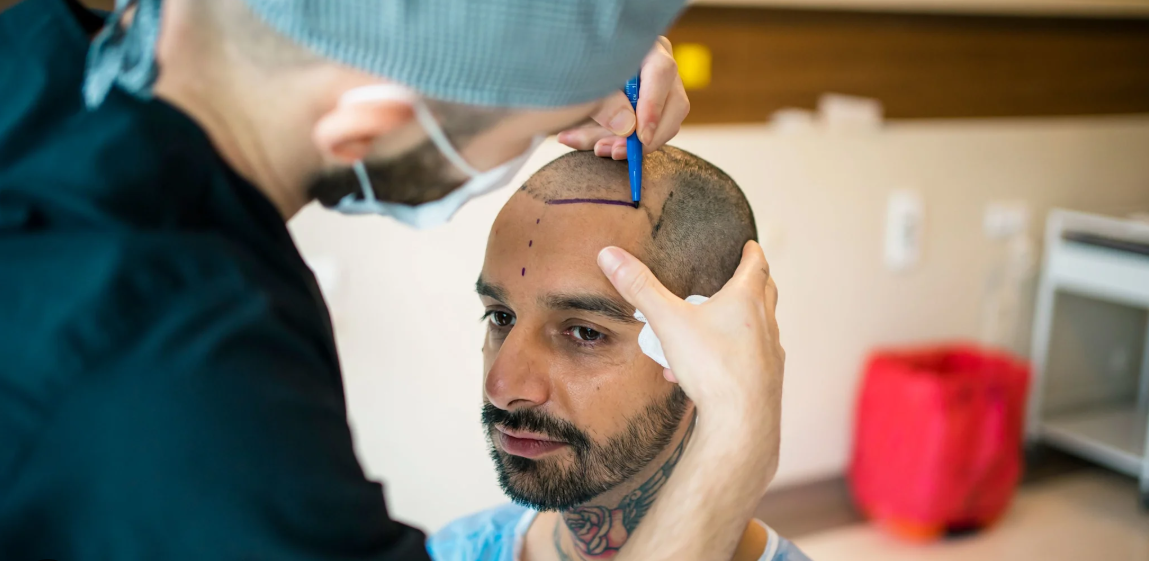
Exploring the latest trends in hair transplants and telehealth reveals significant advancements in personal health solutions. Hair transplants now offer more efficient, less invasive options, while telehealth expands access to medical care, particularly in addiction recovery. Understanding these developments empowers individuals to make informed decisions about their health and embrace innovative treatment options.
Understanding the Latest Trends in Hair Transplants
Hair transplants have become a popular solution for individuals experiencing hair loss, offering a permanent and natural-looking result. The procedure involves moving hair follicles from a donor site to a balding area, effectively restoring hair growth. Recent advancements in technology have made hair transplants more efficient and less invasive, with techniques such as Follicular Unit Extraction (FUE) gaining popularity. FUE involves extracting individual hair follicles and transplanting them, minimizing scarring and recovery time. This method is particularly beneficial for those who prefer a less noticeable procedure.
However, hair loss can also be linked to other factors, such as addiction. Substance abuse can disrupt the natural hair growth cycle, leading to hair thinning and loss. Drugs like amphetamines and opioids can affect blood flow and hormone levels, exacerbating hair loss. Addressing addiction through professional help and lifestyle changes can potentially reverse drug-induced hair loss (source).
The Role of Telehealth in Modern Healthcare
Telehealth has revolutionized the healthcare industry by providing remote access to medical services. This is particularly beneficial for individuals in rural or underserved areas, where access to healthcare facilities may be limited. Telehealth offers a range of services, including virtual consultations, therapy sessions, and medication management, all conducted through secure video conferencing platforms. This approach not only enhances accessibility but also reduces the stigma associated with seeking treatment, as patients can receive care from the comfort of their homes (source).
In the context of addiction recovery, telehealth has proven to be a valuable tool. It allows for continuous support and regular check-ins, ensuring that patients remain engaged in their treatment plans. The flexibility of telehealth also helps in overcoming barriers such as transportation and scheduling conflicts, which can hinder treatment adherence. As a result, telehealth has been shown to improve treatment retention rates and patient outcomes (source).
Telehealth and Addiction Recovery
The integration of telehealth into addiction recovery programs has been accelerated by the COVID-19 pandemic, which necessitated a shift from in-person to virtual services. This transition has highlighted the potential of telehealth to transform addiction treatment by increasing access and improving care quality. Telehealth modalities such as video-based therapy and telephone-based support have shown positive effects in addiction treatment, offering flexibility and convenience for patients (source).
Despite its benefits, the adoption of telehealth in addiction treatment faces challenges, including regulatory barriers and concerns about patient outcomes. However, the pandemic has led to temporary regulatory changes that have eased these barriers, allowing for greater use of telehealth services. As telehealth becomes a more integral part of the healthcare system, ongoing collaboration between healthcare providers and regulatory agencies will be essential to optimize treatment delivery and support patients with substance use disorders (source).
Why You Should Learn More About Staying Ahead With Web Trends Today
Staying informed about the latest trends across the web, such as advancements in hair transplants and the growing role of telehealth, is crucial for making informed decisions about personal health and well-being. Understanding these trends can help individuals take advantage of new technologies and treatment options that can significantly improve their quality of life. As the healthcare landscape continues to evolve, keeping up with these changes ensures that individuals can access the best possible care and support for their needs.