
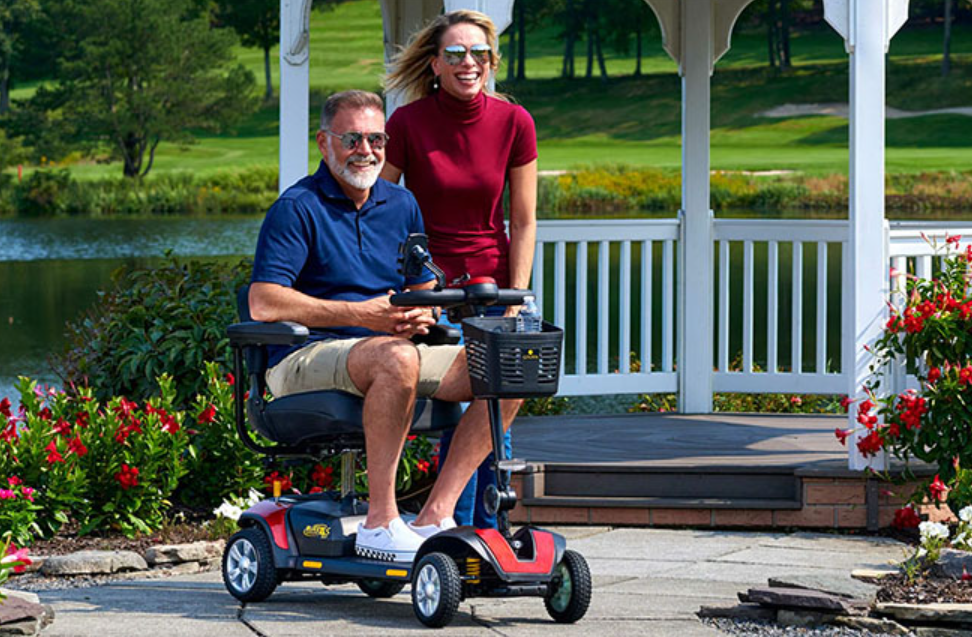
For many individuals with limited mobility, a mobility scooter can make a big difference in independence and quality of life. Fortunately, there are a variety of programs — from government‑benefit schemes to charitable assistance — designed to help people obtain mobility scooters when paying full price isn’t feasible. Below, we’ll walk through how these programs work, how to qualify, and how best to use them.
What Are Mobility Scooter Programs?
“Mobility scooter programs” is a broad term for initiatives or benefits that assist eligible individuals in obtaining, renting, or maintaining a mobility scooter. These may include:
- Government health insurance programs that cover or subsidize the cost of a scooter because it’s considered medically necessary.
- State or local “assistive device” programs that offer grants or subsidies to individuals with disabilities.
- Non‑profit and charitable organizations that provide free or discounted mobility scooters for low‑income individuals, veterans, or people with certain medical conditions.
- Rental or loaner programs (especially for short‑term mobility needs) where a scooter can be borrowed rather than bought.
How the Key Programs Work
Government Insurance / Durable Medical Equipment (DME) Coverage
In the U.S., major coverage examples include:
- Centers for Medicare & Medicaid Services (CMS) guidelines: If a mobility scooter is deemed “medically necessary,” it may be covered under Medicare Part B as a durable medical equipment (DME) item. Criteria include that the person has difficulty moving around the home and cannot effectively use a cane, walker or manual wheelchair. Medicare+1
- Medicaid: Many state Medicaid programs also cover mobility scooters under their assistive devices or home health programs. The availability and criteria vary by state. Seniors Mobility
Key steps to using these programs typically are:
- Get a prescription or written order from a qualified physician or therapist stating that the scooter is medically necessary. AssistedLiving.org+1
- Use a supplier who participates with that insurance program (e.g., is “Medicare‑approved”). Medicare
- Ensure the scooter meets certain specifications (size, purpose, “home use” vs outdoor use) and that you can safely operate it (or someone assists you). AssistedLiving.org+1
Charitable Grants & Non‑Profit Assistance
If you don’t qualify under insurance programs or need additional support, many non‑profits and community programs help:
- They may provide free or heavily discounted scooters based on medical need and income level. World-Wire+2AssistedLiving.org+2
- They may also assist with repairs, refurbishment, or loaning out equipment rather than requiring full purchase. Mobility With Love
- Often you’ll need to provide documentation of your medical condition, income, and proof a scooter is required (and won’t be adequately replaced by a walker/cane).
Rental / Loan Programs
For short‑term use (travel, recovery, temporary disability), some providers or programs offer rental scooters:
- These may be partially or fully covered under insurance if the scooter is medically prescribed for home use. Seniors Mobility
- Rentals may also be offered by independent rental businesses or assistive‑equipment providers for a fee if insurance doesn’t cover.
- Loan programs (via charities) may allow you to borrow a scooter until you’re able to purchase or until your situation changes.
Who Qualifies? Key Eligibility Criteria
While exact requirements vary by program, most will assess the following:
- Medical necessity: You must have a condition that significantly limits your mobility such that a cane, walker or manual wheelchair isn’t sufficient. Medicare+1
- Ability to safely use the device, or have help: Insurance programs often require you can safely get on/off the scooter, steer/operate it in your home environment. AssistedLiving.org
- Home environment suitability: The scooter must work in your home or living environment (e.g., door widths, space to manoeuvre). Home visits may be required. Medicare
- Income or means (for charitable grants): For non‑profits, low income or inability to afford the device may trigger eligibility. Seniors Mobility
- Insurance participation and supplier approval: If using insurance, the supplier and doctor must accept that program. AssistedLiving.org
How to Maximise Your Success: Best Practices
- Start early with your doctor/therapist: The documentation and prescriptions take time.
- Ensure you pick the right type of scooter: Consider where you’ll use it (indoors vs outdoors), how far you’ll travel, battery range, turning radius, transport needs. A program might approve only a certain type.
- Check costs and coverage: Even when insurance covers, you may be responsible for deductibles, coinsurance (for example, Medicare covers 80% for the approved amount; you may owe 20%). Mobility With Love+1
- Explore grants & non‑profits if insurance support is insufficient or unavailable.
- Don’t ignore maintenance/repairs: A scooter is only useful if it’s well maintained. Some programs assist with repairs or offer tune‑ups in assisted / independent living settings. Mobility City
- Understand the limitations: Some scooters may not be covered if they are “luxury” models or exceed certain specifications; usage may be restricted to “home use.”
- Keep records: Documentation of medical need, insurance claims, and the program terms will help with approval and any audits.
Impact & Benefits
Having access to the right mobility scooter can provide substantial benefits:
- Greater independence: Being able to move around home, neighbourhood or errands safely and more easily.
- Improved quality of life: More opportunities for social interaction, access to services, and less strain on caregivers.
- Reduced risk: A well‑fitted scooter can reduce falls, fatigue, and over‑exertion associated with limited mobility.
- Cost savings long‑term: Although initial cost of a scooter can be high (often thousands of dollars), programs that enable access reduce out‑of‑pocket burden and potentially prevent higher medical costs from mobility‑related issues.
Final Thoughts
Mobility scooter programs are an important avenue for individuals with mobility limitations to access necessary equipment that supports independence and daily living. Whether through insurance coverage, charitable grants, or rental/loan solutions, there are pathways available — though each involves meeting criteria and navigating paperwork.
If you or a loved one need a scooter, the best approach is: discuss with your physician or occupational therapist, explore your insurance benefits, identify local non‑profits or assistive‑device programs, and choose a model that fits your lifestyle and environment. With the right support and documentation, these programs can be a game‑changer.